Make smarter loan decisions in 2026.

Independent English-language guides to personal loans, bad-credit borrowing, rates, fees, lender checks, and safer alternatives in 2026.

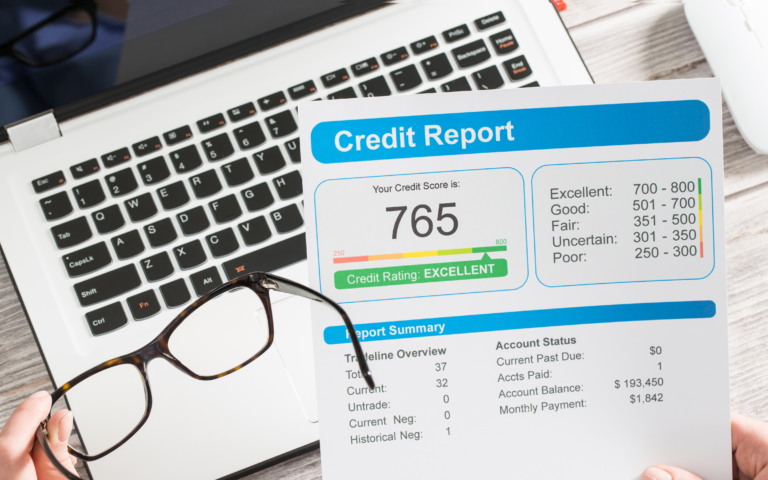
Credit score range
300–579 "POOR" RANGE
300580670740850
ABOUT US

Clear Loan Guidance for 2026

Loan offers can look simple until rates, origination fees, repayment terms, and eligibility rules are compared side by side. LendMoney explains the 2026 borrowing landscape in plain English so readers can understand the real cost, check the risks, and prepare before applying. We are an educational publisher—not a lender, broker, or approval service.

Honest About the Odds

No promises of guaranteed approval — we explain what lenders actually consider.

Research-Backed

Written from credible sources on credit scoring, lending regulation, and industry practice.

Beginner-Friendly

No confusing financial jargon — start from wherever your credit stands today.

Featured Guide

Frequently Asked Questions

Can I get a loan with a 500 credit score?

It's possible, though options narrow considerably. Secured loans, credit union programs, and some online lenders specialize in this range, typically with higher interest rates and smaller loan amounts.

Do bad credit loans hurt your credit further?

Applying causes a small, temporary dip from the hard inquiry. On-time payments on a new loan can actually help rebuild your credit over time -- the loan itself isn't inherently harmful.

Is a secured loan always better for bad credit?

Not always. Secured loans often carry lower rates but put your collateral at risk. Unsecured loans cost more but don't carry that same asset risk.

How long does it take to rebuild credit?

It varies by starting point, but consistent on-time payments typically show measurable improvement within 6-12 months.

Will checking my own score lower it?

No. Checking your own score is a soft inquiry and has no impact, regardless of how often you check it.

What’s the difference between APR and interest rate?

The interest rate is the cost of borrowing the principal. APR includes the interest rate plus most fees, expressed as a yearly rate -- making it the more accurate figure for comparing loan offers.